How Can I Incorporate Vegetables into My Dog's Diet Safely?

In the UK, leading veterinary experts from organisations agree that while dogs are primarily carnivores, many vegetables can be a fantastic, low-calorie addition to their bowls.

Healthy Additions and Safety Tips


While dogs are primarily scavengers with a love for meat, many vegetables serve as excellent low-calorie "superfoods" to boost their health. Leading UK animal charities, including Dogs Trust, emphasize that while plants shouldn't replace a balanced dog food, they provide vital fibre and antioxidants.

To keep your pup safe, follow the "Triple-S" rule: keep portions Small, keep the preparation Simple, and introduce new foods Slowly.

The Canine Pantry: What’s Safe vs. What’s Toxic?

When sharing your groceries, it is vital to know which items are nutritious and which are dangerous. Always serve these without seasonings like salt, onion powder, or oils.

Safe Garden Greats:
Carrots: Low in calories and high in fibre. Frozen raw carrots are fantastic for teething puppies or cleaning adult teeth.
Green Beans: Often called the "Green Bean Diet" trick, these help overweight dogs feel full without the calories.
Bell Peppers: Red peppers are the most nutritious; remove all seeds and the stem before feeding.
Courgette: A gentle vegetable that is very easy on a dog's stomach.
Spinach: Packed with iron, but feed only in small amounts as it contains oxalates.
Butternut Squash: Must be cooked, peeled, and de-seeded. It’s excellent for settling an upset tummy.
Blueberries & Blackberries: While not vegetables, these are safe, antioxidant-rich super-treats.

The Absolute "No" List

Alliums (Onions, Garlic, Shallots, Chives): These contain compounds that destroy a dog’s red blood cells, leading to anaemia.
Grapes, Raisins & Currants: Highly toxic; even one or two can cause acute kidney failure in some dogs
Corn on the Cob: The corn is safe, but the cob is indigestible and a leading cause of emergency intestinal surgery in the UK.
Macadamia Nuts: Can cause weakness, vomiting, and tremors.
Avocado: Contains persin, which can cause gastrointestinal distress.

Preparation: How to Help Your Dog Digest Veggies

Dogs have a much shorter digestive tract than humans. If you give them a raw chunk of broccoli, it often comes out the other end looking exactly the same. To help them actually absorb the nutrients, try these methods:

Gentle Steaming: This is the best way to preserve vitamins while softening the plant's cell walls.
The "Veggie Mash": Once steamed, mash or blend the vegetables into a pulp. Mixing this "sludge" into their usual wet or dry food ensures they can't pick out the bits they don't like!
De-seed and De-core: Always remove the core from apples and pears. The seeds contain amygdalin, which releases cyanide during digestion.
Plain is Best: Avoid the temptation to add "a little bit of butter" or gravy. High-fat additions can trigger pancreatitis, a painful and serious condition for dogs.

The 10% Balanced Bowl Rule

When balancing your dog’s diet, it is essential to remember that veterinary nutritionists recommend all "extras," including vegetables and treats, should account for no more than 10% of their total daily calorie intake. 

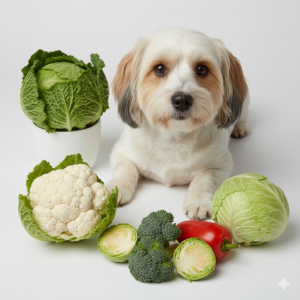
While nutrient-dense, certain cruciferous vegetables like cabbage, cauliflower, and Brussels sprouts are notorious for causing gas, so you should immediately scale back the portion if your dog becomes uncomfortably flatulent. To ensure a new addition agrees with their system, always perform a "stool test" by waiting 24 hours after introduction; if their stool becomes loose or runny, it is a clear sign that the specific vegetable may not be suitable for their digestive tract.

Join the K9 Leisure Club family and give your dog the experience they deserve!

chevron-down